 By Diego Reyes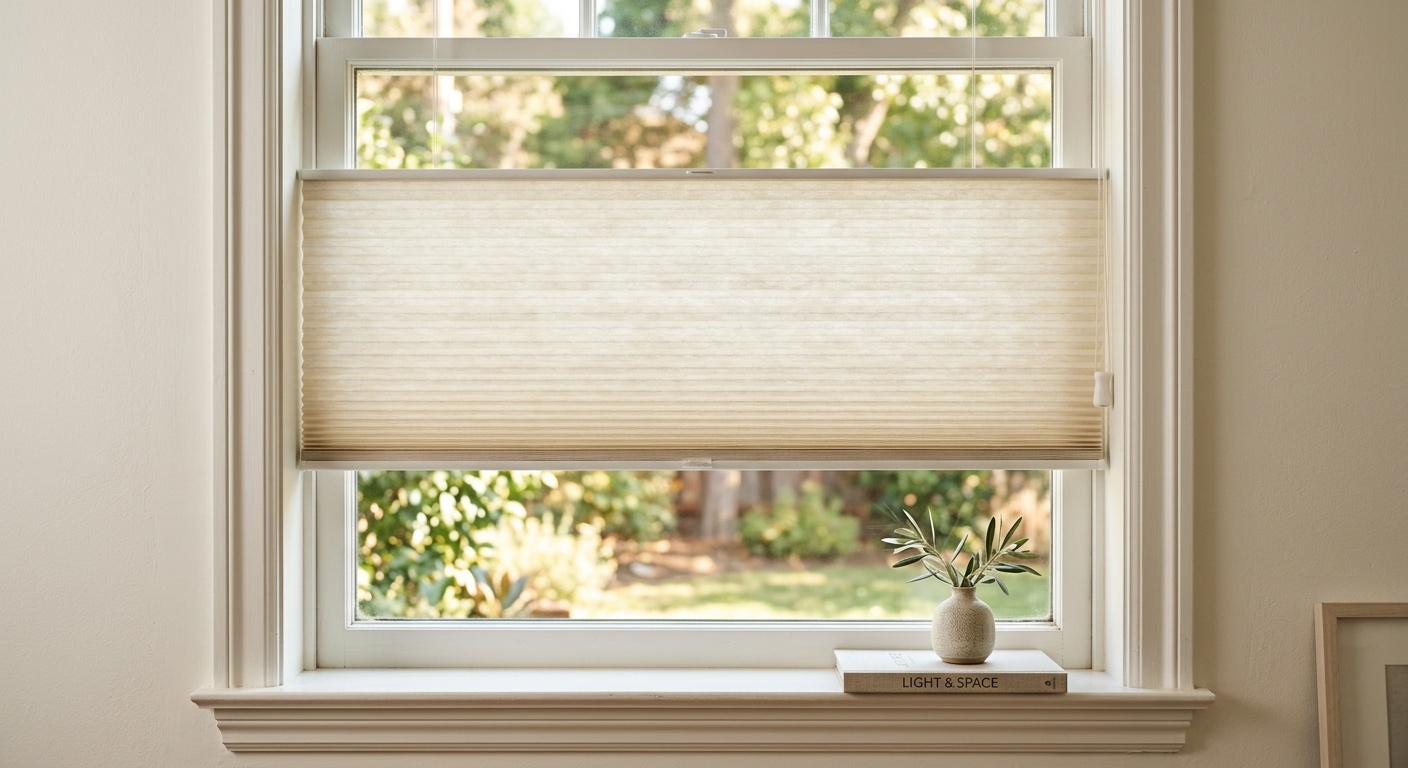
Cellular Shades Versus Exterior Shade Sails For Villa Windows: The Ultimate 2026 Comparison Guide
Reading time: 14 minutes
You’ve just finished renovating your dream villa. The stone floors are polished, the furniture is perfectly curated, and then — the afternoon sun turns your beautiful living space into a solar oven. Sound familiar? The window treatment decision you make next will define your home’s comfort, energy performance, and aesthetic for the next decade.
Here’s the straight talk: choosing between cellular shades and exterior shade sails isn’t just a style decision. It’s a technical, financial, and lifestyle choice with real consequences. Get it right, and your villa becomes a sanctuary. Get it wrong, and you’re either retrofitting in two years or sitting in a cave-dark room that still somehow gets warm.
This guide cuts through the noise and gives you the precise, practical comparison you need — complete with real-world scenarios, current 2026 data, and actionable recommendations tailored to villa environments specifically.
Table of Contents
- Understanding Your Options: What These Solutions Actually Are
- Energy Efficiency: Where the Real Numbers Live
- Aesthetics and Architectural Fit for Villas
- Installation, Maintenance, and Longevity
- Cost Analysis: Upfront vs. Lifetime Value
- Side-by-Side Comparison Table
- Real-World Case Studies: Two Villas, Two Approaches
- Performance Ratings Visualization
- Common Challenges and How to Overcome Them
- Frequently Asked Questions
- Making Your Final Choice: A Decision Roadmap
Understanding Your Options: What These Solutions Actually Are
Before diving into comparisons, let’s establish a clear foundation. Many homeowners conflate these two products or assume one is automatically superior. Neither assumption is correct.
Cellular Shades: The Interior Insulation Specialists
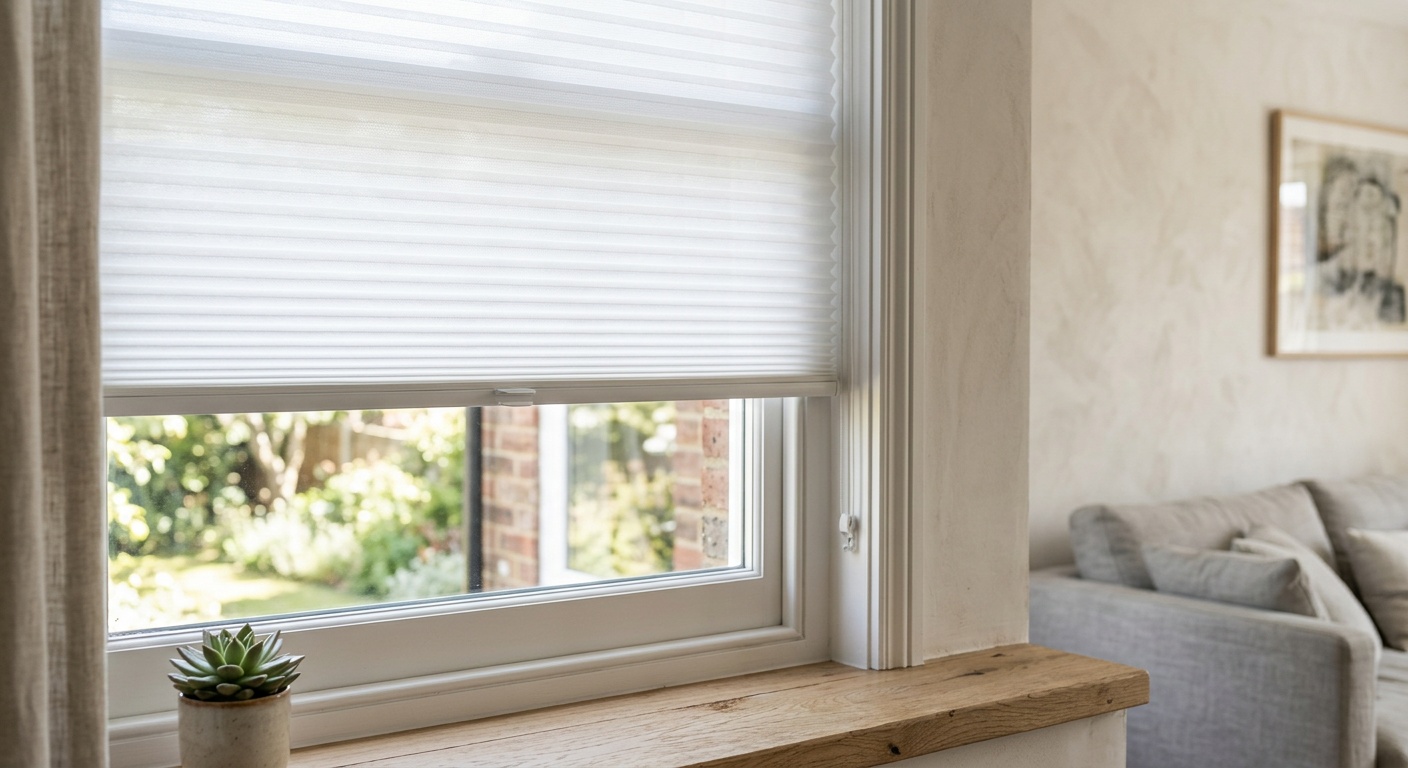
Cellular shades — also called honeycomb shades — are window coverings installed on the interior side of the window frame. Their name comes from their distinctive cross-section: a series of hexagonal air pockets (cells) that trap air and create an insulating barrier between the glass and the room.
Modern cellular shades in 2026 come in single-cell, double-cell, and triple-cell configurations. The more cells, the better the insulation value. Top manufacturers like Hunter Douglas, Lutron, and Springs Window Fashions have pushed the technology significantly in recent years, with motorized and smart-home-integrated versions now dominating the premium villa market. According to the Window Covering Manufacturers Association (WCMA), motorized cellular shades now account for roughly 34% of all premium window treatment installations in residential projects above the $800,000 price point — up from 22% in 2023.
For villa-scale windows, which are often large, unusually shaped, or architecturally significant, cellular shades offer discrete integration that preserves the original window design from the exterior view.
Exterior Shade Sails: The Solar Interception Approach
Shade sails are tensioned fabric structures mounted outside the building, positioned to block solar radiation before it ever reaches the glass. Originally derived from maritime sail design, modern shade sails for residential use have evolved into sophisticated architectural elements made from high-density polyethylene (HDPE) or solution-dyed acrylic fabrics with UV-blocking ratings between 90% and 98%.
The fundamental physics advantage of exterior shading is undeniable: intercepting solar heat before it penetrates the glass is significantly more efficient than managing it after it enters. A south-facing single-pane window admits roughly 200–250 BTUs per square foot per hour during peak summer sun. An exterior sail positioned correctly can reduce that figure by up to 80% before thermal transfer even begins.
Premium brands like Coolaroo, Shade Systems Australia, and Sàtec have introduced engineered tensile systems specifically designed for villa-scale installations, with integrated drainage channels, hurricane-rated mounting hardware, and customizable geometry for non-standard architectural openings.
Energy Efficiency: Where the Real Numbers Live
Energy performance is typically the deciding factor for villa owners in warm-climate regions, and the data here is nuanced enough to warrant careful attention.
The Solar Heat Gain Coefficient: A Key Metric to Understand
The Solar Heat Gain Coefficient (SHGC) measures how much solar radiation passes through a window system as heat — on a scale of 0 to 1, where lower is better in hot climates. Standard untreated double-pane villa windows typically carry an SHGC of 0.25–0.35. Here’s how each solution affects that:
- Triple-cell cellular shades (interior): Reduce effective solar heat gain by approximately 40–60%, depending on fabric reflectivity and color. However, because they sit inside the glass, much of the solar energy has already been converted to heat before the shade intervenes.
- Exterior shade sails (95% UV block HDPE): Intercept solar energy before glass contact, reducing effective SHGC impact by 70–85% in optimal configurations. The Department of Energy’s 2025 Residential Window Treatment Study confirmed exterior shading consistently outperforms interior treatments in raw heat reduction.
That said, cellular shades have a winter performance advantage that shade sails cannot match. In cooler climates or during winter months in Mediterranean-style villa regions, double and triple-cell shades provide meaningful R-value insulation — typically R-3.5 to R-6.5 — reducing heat loss through glass at night. Exterior shade sails offer essentially zero insulative benefit once the sun goes down.
Pro Tip: If your villa sits in a climate with both hot summers and cool winters (think Tuscany, coastal California, or the Algarve), a hybrid approach — exterior sails for summer solar control, cellular shades for winter insulation — may deliver the best ROI over a 10-year window.
Aesthetics and Architectural Fit for Villas
Villa owners rarely make window treatment decisions on function alone. The visual impact matters enormously — both from inside looking out and from outside looking in.
Cellular shades offer a clean, minimal aesthetic that largely disappears into the interior design. Available in hundreds of fabric textures and colors, they can be custom-ordered to complement virtually any interior palette. Importantly, from the exterior, well-fitted cellular shades are nearly invisible — preserving the architectural integrity of heritage villas or design-forward contemporary builds without altering the facade.
Exterior shade sails, by contrast, are intentionally visible design elements. When done right, they add dramatic architectural character — angular, sail-shaped canopies in earthy tones or bold geometric patterns can elevate a villa’s curb appeal considerably. Many contemporary villa architects in 2026 are deliberately incorporating shade sail anchor points into new builds as planned aesthetic features rather than afterthoughts.
However, shade sails can clash dramatically with certain architectural styles. A Neoclassical Provençal villa or a traditional Moroccan riad with intricate tilework may look jarring with industrial tensile hardware and synthetic fabric panels. Cellular shades, being interior-focused, carry no such exterior risk.
Key question to ask yourself: Is your villa a backdrop for life inside, or is its exterior facade a primary part of your experience and presentation? Your answer should heavily influence this decision.
Installation, Maintenance, and Longevity
These two products couldn’t be more different in their installation requirements, ongoing care demands, and expected lifespan — all critical considerations for villa-scale applications where windows are often large and numerous.
Cellular Shades: Interior Installation and Care
Professional cellular shade installation for a standard villa window (approximately 60″ × 72″) typically takes 45–90 minutes per window. Motorized systems require additional wiring or battery/solar power infrastructure. A 10-window villa installation runs 2–3 days with a professional crew.
Maintenance is relatively simple: periodic dusting with a soft brush attachment, occasional spot cleaning, and battery replacement or motor servicing for motorized units every 3–5 years. Quality cellular shades from reputable brands carry warranties of 3–5 years on fabric and mechanisms, with actual lifespans of 8–15 years under normal use.
The primary failure modes are fabric yellowing (especially near UV-exposed glass), lift cord wear, and mechanism failure in motorized units. In high-humidity villa environments (coastal properties, for example), moisture can affect fabric integrity over time if the shades are regularly in contact with condensation on glass surfaces.
Exterior Shade Sails: The Engineering Consideration
Shade sail installation is structurally more complex and requires professional assessment of anchor points, tensioning loads, and local wind load requirements. In 2026, most building codes in European villa regions, Australia, and North America require engineered specifications for shade sails exceeding a certain size — typically 150 square feet or more.
Hardware must be rated for local wind speeds. In a coastal Mediterranean villa, for example, Mistral or Tramontane wind events can produce gusts exceeding 70 mph. Under-engineered installations have led to structural failures and property damage. Always require wind-load certification from your installer.
On the positive side, quality HDPE shade sail fabrics (notably Coolaroo’s 95% UV block fabric and comparable products) carry 10-year fabric warranties and realistic lifespans of 10–20 years in most climates. They require cleaning 1–2 times per year with mild soap and water, and tensioning adjustment seasonally as fabrics expand and contract with temperature.
Retractable and motorized shade sail systems, now widely available in 2026, allow for winter removal — both preserving fabric life and eliminating the aesthetic concern in seasons when solar shading isn’t needed.
Cost Analysis: Upfront vs. Lifetime Value
Let’s talk numbers — specifically for a representative villa with 12 significant windows averaging 48″ × 60″ each, located in a warm-climate region.
Cellular Shades (motorized, double-cell, premium fabric):
- Product cost: $280–$520 per window
- Professional installation: $85–$150 per window
- Total for 12 windows: $4,380–$8,040
- 10-year maintenance estimate: $600–$1,200
- Estimated energy savings (warm climate): 8–14% on cooling costs annually
Exterior Shade Sails (engineered, custom, motorized retractable):
- Product and hardware cost: $800–$2,200 per sail (covering 1–3 windows typically)
- Professional installation including structural anchoring: $400–$900 per sail
- Total for equivalent coverage (6–8 sails): $7,200–$24,800
- 10-year maintenance estimate: $800–$1,800
- Estimated energy savings (warm climate): 18–28% on cooling costs annually
The higher upfront cost of exterior shade sail systems can be offset by their superior energy savings in hot climates. Over a 10-year horizon in a region with high cooling demands, exterior sails often achieve full cost recovery and positive ROI, particularly as energy prices in Europe and coastal US markets have risen an average of 6.2% annually through 2025–2026.
Side-by-Side Comparison Table
| Metric | Cellular Shades | Exterior Shade Sails |
|---|---|---|
| Solar Heat Reduction | 40–60% | 70–85% |
| Winter Insulation (R-Value) | R-3.5 to R-6.5 | Negligible (R-0) |
| Average Installation Cost (12 windows) | $4,380–$8,040 | $7,200–$24,800 |
| Expected Lifespan | 8–15 years | 10–20 years |
| Exterior Aesthetic Impact | None (interior only) | Significant (architectural) |
| Smart Home Integration (2026) | Excellent | Good (growing) |
Real-World Case Studies: Two Villas, Two Approaches
Case Study 1: The Provençal Villa — Interior-First Philosophy
A 1920s-era stone villa near Gordes, France, underwent window treatment renovation in early 2025. The owner, a retired architect, rejected exterior modifications categorically — the facade was a Heritage Zone feature and any external additions required municipal approval that could take years. The solution: triple-cell motorized cellular shades in a warm linen fabric, integrated with a KNX smart home system.
Results after 18 months: The villa’s cooling costs dropped by 11% year-over-year. More meaningfully, the owner reported that the shades eliminated the harsh afternoon glare that had been making the southern-facing salon unusable between 2–5 PM. The interior aesthetic was preserved completely, and the exterior facade remained unchanged for heritage compliance. Total project cost: €9,400 for 14 windows. The owner’s assessment: “Worth every euro. The house finally breathes properly.”
Case Study 2: The Coastal Australian Villa — Exterior-First Philosophy
A contemporary villa on the Mornington Peninsula, Victoria, built in 2023 with large northwest-facing glazed walls, was experiencing extreme summer overheating — interior temperatures regularly exceeding 32°C despite a ducted air conditioning system running continuously. The architect recommended a custom engineered shade sail system using 95% UV-block HDPE fabric in a charcoal/slate palette to complement the zinc cladding.
Six custom tensile sails were installed across three window bays in October 2025. The results were dramatic: peak interior temperatures dropped by an average of 7.2°C during the December–February summer peak. Air conditioning runtime was reduced by approximately 35%, delivering estimated annual savings of AUD $1,840 on energy costs. The sails have since been featured in Architecture Australia magazine as an example of climate-responsive residential design. Total installation cost: AUD $38,500 — higher upfront, but projecting full ROI within 8 years at current energy prices.
Performance Ratings Visualization
The chart below compares both solutions across five key performance dimensions, rated on a 10-point scale:
Summer Heat Reduction
Winter Insulation
Ease of Installation
Architectural Flexibility
Long-Term Cost Efficiency
Common Challenges and How to Overcome Them
Challenge 1: Large or Irregularly Shaped Villa Windows
Many villas feature oversized windows, arched openings, corner glazing, or custom geometric forms that standard off-the-shelf products simply cannot address. This is where both solutions require custom approaches — and where the cost gap between cellular shades and shade sails typically narrows.
For cellular shades, manufacturers like Hunter Douglas and Lutron offer custom-fabricated units for non-standard dimensions, though arched windows remain challenging. Semi-circular arch windows are often better addressed with a complementary solution (plantation shutters in the arch portion, cellular shades in the rectangular lower section).
For exterior shade sails, irregular window arrangements can actually be an advantage — the triangular or quadrilateral geometry of shade sails is infinitely customizable by adjusting anchor points. A skilled tensile designer can create a sail configuration that addresses an asymmetric cluster of windows that no rectangular blind could cover holistically.
Challenge 2: Heritage Buildings and HOA Restrictions
Villa owners in heritage zones, historic districts, or managed communities face external modification restrictions that can effectively eliminate exterior shade sails as an option. In 2026, approximately 22% of luxury villa properties in Southern Europe fall under some form of heritage or architectural covenant restriction that limits or prohibits visible exterior modifications.
If you’re in this situation, cellular shades are your primary path. The good news: modern triple-cell technology has advanced to the point where it can meaningfully address thermal comfort even in heritage properties with single or double-pane glass — bridging much of the performance gap with exterior solutions through sheer insulation quality.
Challenge 3: Balancing Light Quality and Privacy
Both solutions affect natural light — but differently. Cellular shades using light-filtering fabrics diffuse daylight beautifully, creating a soft, even illumination without glare. Blackout cellular shades eliminate light entirely, which some villa owners find oppressive in daytime living areas. The key is specifying light-filtering fabrics (not blackout) for living spaces and reserving blackout for bedrooms.
Exterior shade sails affect light quality based on fabric density and color. A 90% UV-block sail in dark charcoal will significantly reduce light levels beneath it — potentially creating an unwanted cave-like feel if the window is already in partial shade. Lighter-colored sails with 70–80% UV block offer a better balance of solar protection and natural light preservation for villa living areas.
Practical tip: Always request a fabric sample and physically test it against your window glass in varying light conditions before committing to any window treatment. What looks subtle in a showroom can be dramatically different on a 96-square-foot south-facing window at noon in July.
Frequently Asked Questions
Can I use both cellular shades and exterior shade sails on the same villa windows?
Absolutely — and for villas in climates with both hot summers and cool winters, this hybrid approach is increasingly popular in 2026. Exterior shade sails handle the summer solar load with maximum efficiency, while interior cellular shades provide winter insulation, privacy control, and blackout capability when needed. The systems operate completely independently and complement each other thermally. Many villa owners install retractable or removable shade sails for the summer season and rely entirely on cellular shades through winter months, effectively optimizing for both conditions without compromise.
Do exterior shade sails require council or planning approval for villa installations?
This varies significantly by jurisdiction, but the general rule in 2026 is: yes, if the sail exceeds a certain size or is structurally anchored to the building. In most Australian states, shade sails over 10 square meters require a development application. In France, any exterior modification to a building facade typically requires a declaration préalable de travaux at minimum. In California and Florida, structural anchoring points are subject to building permit requirements. Always consult your local building authority before installation — attempting to proceed without permits risks fines, forced removal, and complications when selling the property.
How do cellular shades perform in very humid coastal villa environments?
Humidity is a legitimate concern for cellular shades in coastal villa settings. The trapped-air cells can be affected by sustained high humidity, and if the shades regularly come into contact with moisture (from condensation on cold glass surfaces in winter, for example), fabric degradation can accelerate. The practical mitigation strategies are: first, choose cellular shade fabrics rated for humidity resistance — most premium manufacturers offer moisture-resistant fabric lines specifically for coastal applications. Second, ensure adequate ventilation between the shade and the glass surface, particularly in single-pane windows in cold-climate coastal areas where condensation is heaviest. Third, consider stainless steel or marine-grade hardware for all mounting components. Properly specified, cellular shades can perform reliably for 10+ years in coastal villa environments.
Making Your Final Choice: Your Decision Roadmap
You’ve absorbed a lot of information. Let’s distill it into a clear, actionable path forward tailored specifically to you as a villa owner.
Step 1: Define your primary problem. Is it summer heat, winter cold, glare, privacy, or all of the above? If summer heat reduction is your dominant challenge — and you’re in a warm climate — exterior shade sails will deliver more thermal relief per dollar spent. If year-round comfort, privacy, and winter insulation are equally important, cellular shades offer more versatile daily functionality.
Step 2: Assess your architectural constraints. Heritage listing? HOA covenants? Unusual window geometries? Answer these questions before investing in anything. Architectural constraints should dramatically narrow your shortlist before budget or aesthetics ever enter the conversation.
Step 3: Get a professional thermal audit. Many energy consulting firms now offer residential thermal assessments for under $300 — a worthwhile investment for a villa with significant glazing. The report will identify exactly which windows are your biggest thermal vulnerabilities, helping you prioritize spend rather than treating every window identically.
Step 4: Pilot before you commit fully. Install your chosen solution on your two or three most problematic windows first. Live with them through one full season before completing the whole villa. This practical testing phase consistently reveals preferences and practical issues — like glare angles, light quality preferences, or motorization reliability — that no amount of pre-purchase research can predict.
Step 5: Consider smart integration from Day 1. In 2026, both cellular shade systems and motorized shade sails integrate readily with Apple HomeKit, Google Home, and major KNX/BACnet building automation systems. If your villa has or will have smart home infrastructure, specify motorized, connected versions from the outset — retrofitting motorization later is significantly more expensive and disruptive.
Here’s the bigger picture worth keeping in mind: residential window treatment technology is evolving rapidly. Electrochromic smart glass, dynamic photovoltaic window films, and AI-driven automated shading systems are moving from commercial to residential applications at accelerating pace. The choice you make today in 2026 should be seen not as a permanent decision but as the right solution for the next 10–15 years — after which the landscape may look dramatically different.
You’ve invested in a villa precisely because it deserves to be lived in at its best. The right window treatment isn’t just about blocking sun — it’s about creating an environment where comfort, beauty, and efficiency work together seamlessly every day. Which of these solutions brings your villa closest to that vision? That answer, ultimately, is the only one that matters.
Article reviewed by Rachel Wu, Budget Control & Project Timeline Management Consultant, on July 15, 2026