 By Diego Reyes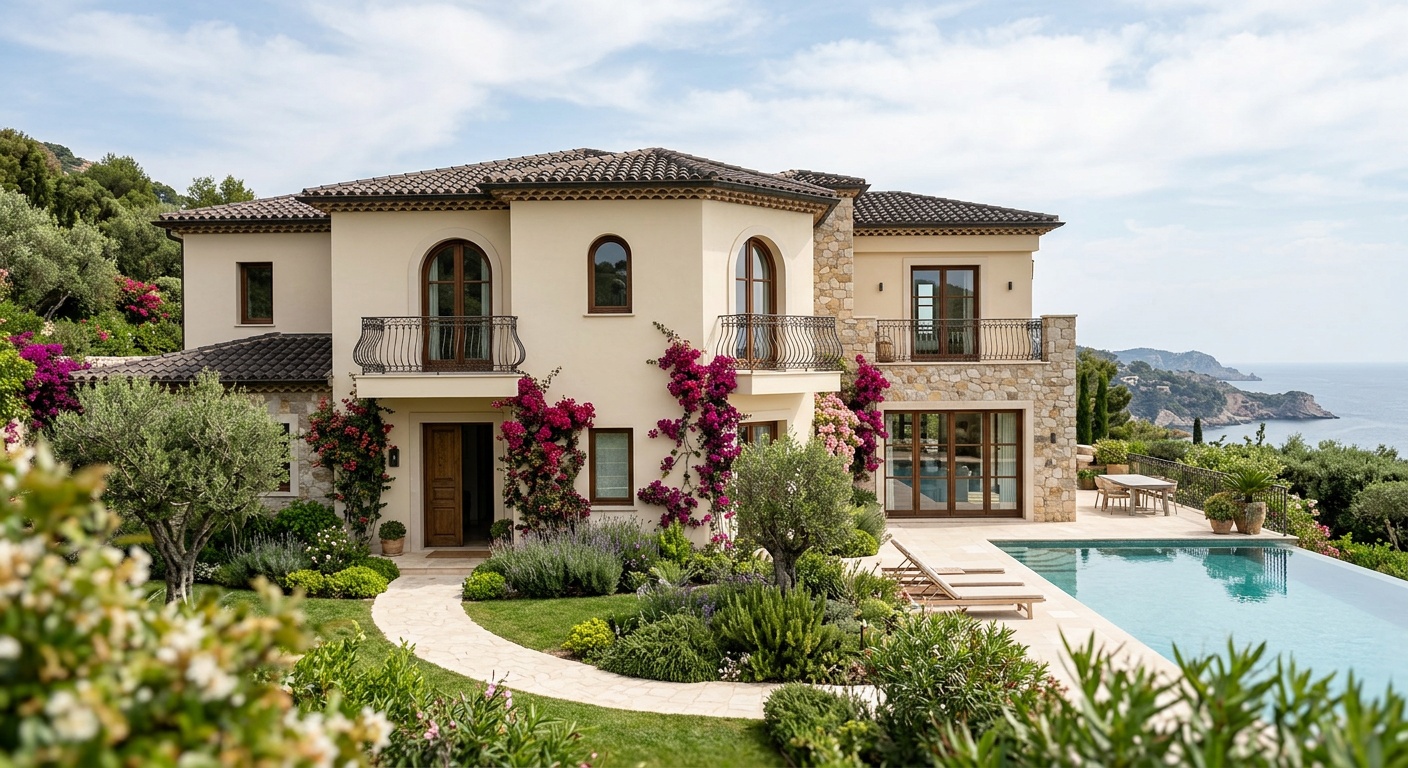
Transform Your Villa Exterior With Paint Color and Shade
Reading time: 12 minutes
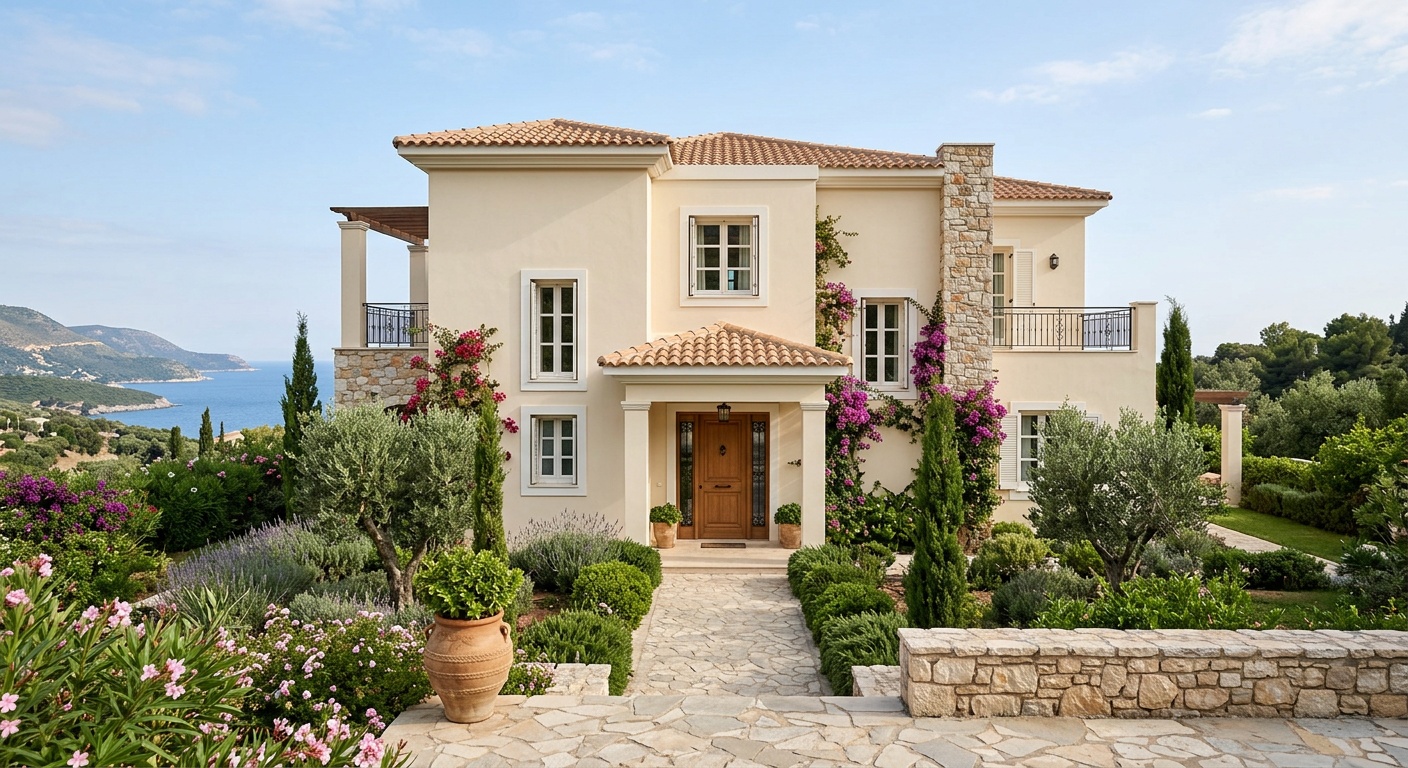
Picture this: you pull up to your villa after a long trip, and something stops you in your tracks. The exterior has been repainted — warm, sun-kissed tones that glow in the late afternoon light, clean shadows defining the architecture, and a sense of presence that makes the whole property feel intentional and alive. That’s the power of getting your villa’s exterior color and shade exactly right.
But here’s the honest truth most homeowners discover too late: choosing the wrong exterior paint color doesn’t just look bad — it can reduce your property’s perceived value, cause faster paint degradation, and create a visual dissonance that no landscaping can fix. In 2026, with the global villa renovation market valued at over $48 billion and growing, the decisions you make about your exterior finish matter more than ever.
This guide is built for villa owners who are serious about getting it right — whether you’re refreshing a Mediterranean-style property, modernizing a tropical retreat, or restoring a heritage estate. We’ll walk through color theory, shade selection, climate considerations, trending palettes, and the practical steps to execute your transformation with confidence.
Table of Contents
- Why Exterior Color and Shade Are Strategic Decisions
- Understanding Color Theory for Villa Exteriors
- Mastering Shade Selection: Light, Shadow, and Architecture
- Climate and Geographic Considerations
- 2026 Trending Palettes and Finishes for Villa Exteriors
- Real-World Case Studies: Before and After
- Color Finish Comparison Table
- Popularity of Exterior Color Families in 2026
- Common Challenges and How to Overcome Them
- Frequently Asked Questions
- Your Villa Transformation Roadmap: Next Steps
Why Exterior Color and Shade Are Strategic Decisions
Most people approach exterior paint the way they shop for curtains — instinctively and emotionally. And while instinct has its place, the exterior of a villa is far too significant an investment to leave to gut feeling alone. We’re talking about a surface that faces UV radiation, seasonal temperature swings, humidity, pollution, and the critical gaze of anyone who passes by.
According to a 2025 report by the National Association of Realtors, homes with professionally selected exterior paint colors sell for an average of 5–10% more than comparable properties with default or mismatched color schemes. For a villa valued at $800,000, that’s potentially $40,000–$80,000 of additional market value — generated entirely by pigment choices.
Beyond resale, there’s the lived experience. The color of your exterior sets the emotional tone of your home before you even step inside. A deep terracotta commands warmth and earthiness. A crisp white with charcoal trim signals modernity and discipline. Sage green wrapped in natural wood tones whispers organic serenity. These aren’t accidents — they’re decisions.
“Color is the first language a building speaks. Get it wrong and the architecture stutters, no matter how beautiful the design.” — Marco Ferretti, Principal Architect at Ferretti Studio Milano, 2025 Architectural Digest
The shade component is equally strategic but often overlooked. Shade refers to how dark or light a color is — its tonal value. The same hue in a light shade versus a dark shade communicates completely different messages, reacts differently to sunlight, and behaves differently with your home’s shadows and architectural details.
Understanding Color Theory for Villa Exteriors
You don’t need to be a designer to leverage color theory — but you do need to understand its fundamentals. At its core, color theory explains how colors relate to each other, how they interact with light, and how they affect human perception. The foundational tool is the color wheel, which organizes hues and reveals harmonious relationships between them.
Key Color Relationships for Exterior Design
For villa exteriors, four primary color relationships dominate successful designs:
- Monochromatic schemes: Using varying shades of a single hue creates elegance and cohesion. A villa painted in three tones of warm beige — light for walls, medium for trim, dark for shutters — achieves sophisticated unity without visual noise.
- Analogous schemes: Colors adjacent on the color wheel create natural harmony. Ochre yellow paired with burnt sienna and warm brown produces a palette that feels organically connected to earth and stone.
- Complementary accents: Using a color directly opposite on the wheel for small accent features (door, shutters, window boxes) creates visual pop without overwhelming. A teal door on an earthy terracotta villa is the perfect example.
- Triadic schemes: Three evenly spaced colors on the wheel, used at varying proportions, create vibrancy. These work particularly well for Mediterranean or Moroccan-inspired villa exteriors where boldness is celebrated.
The 60-30-10 Rule for Villa Exteriors
Professional color consultants apply the 60-30-10 rule to villa exteriors consistently. Here’s how it breaks down:
- 60% dominant color: This is your main wall color — the largest surface area of your villa’s exterior. Choose it carefully because it defines the overall personality of the home.
- 30% secondary color: Applied to trim, eaves, window frames, columns, or architectural details. This color should complement or contrast the dominant color with intention.
- 10% accent color: Reserved for the front door, shutters, decorative ironwork, or light fixtures. This is where you can be bold and expressive without risking visual overload.
This ratio works because it mirrors how the human eye naturally processes visual information — it seeks a dominant anchor, appreciates a supporting contrast, and is delighted by small moments of surprise. Apply it to your villa and the result is a façade that feels balanced and professionally designed, even if you selected the colors yourself.
Mastering Shade Selection: Light, Shadow, and Architecture
Here’s where most villa owners lose the plot: they find a color they love on a paint chip under store lighting, apply it to their entire home exterior, and are shocked when it looks completely different in reality. That difference isn’t a manufacturing error — it’s physics.
How Natural Light Transforms Shade
The direction your villa faces determines everything about how a shade will appear throughout the day. A north-facing façade receives cooler, indirect light, which causes warm shades to appear muted and cool shades to look even cooler. A south-facing wall basks in direct sunlight for most of the day, making even mid-range shades appear dramatically lighter and warmer.
Before finalizing any shade, apply large paint swatches (at least 12×12 inches) directly onto the exterior wall and observe them at three critical times: early morning, midday, and late afternoon. The variation you’ll see will likely surprise you — and it will save you from a costly full-application mistake.
Additionally, consider how your villa’s own architecture creates shadows. Deep roof overhangs, colonnades, protruding balconies, and recessed entryways all create shadow zones that affect perceived color. In shaded areas, any color will appear darker by 20–30% compared to the same paint in full sun.
Light Shades vs. Dark Shades: Strategic Trade-offs
In 2026, there’s a genuine design movement toward darker exterior shades — charcoal, deep forest green, navy, and rich burgundy are increasingly popular for villa exteriors in temperate climates. But before you commit to a dramatically dark shade, weigh these trade-offs:
- Dark shades: Project drama, sophistication, and architectural confidence. They absorb more heat, which can increase cooling costs in warm climates. They also show dust and fading more visibly over time, requiring more frequent touch-ups.
- Light shades: Reflect heat, making them energetically efficient in warm climates. They visually expand smaller villas, pair easily with varied landscaping, and age more gracefully with less visible fading. They can, however, look flat if not supported by strong architectural detail.
- Mid-range shades: The balanced choice. Tones like warm taupe, dusty rose, olive drab, slate grey, and colonial cream offer the warmth of a dark shade with the practicality of a light one. They perform consistently across lighting conditions and age beautifully.
For villas in warm, sunny climates where outdoor comfort is important alongside aesthetics, think also about how your color choices interact with your outdoor spaces. Just as smart room cooling solutions can manage interior temperature without major infrastructure changes, strategic use of lighter, reflective exterior shades can reduce the heat load on your entire building envelope — cutting cooling costs significantly without sacrificing style.
Climate and Geographic Considerations
Your villa’s climate zone should be one of the first filters applied to any color decision. Paint pigments behave differently across temperature ranges and humidity levels, and what looks spectacular in a Swiss mountain villa can fade disastrously on a coastal Mediterranean property within 18 months.
Tropical and Coastal Climates: Prioritize light to mid-range shades with UV-resistant formulations. Salt air and intense solar radiation accelerate pigment breakdown. Soft whites, sandy beiges, aqua blues, and pale greens are traditional choices for good reason — they reflect heat, resist fading, and harmonize with natural coastal environments. In 2026, exterior paints with titanium dioxide-based UV shields are the industry standard for these zones.
Mediterranean Climates: The widest color latitude of any climate zone. Terracotta, ochre, sienna, deep olive, dusty rose, and Moorish blues all perform well and feel culturally resonant. The relatively stable temperature range and moderate rainfall mean pigments hold longer, giving you more freedom to experiment with bold palettes.
Temperate and Northern Climates: Darker shades are more viable here because solar absorption actually assists in maintaining warmth. Rich greens, slate blues, deep grays, and dramatic blacks perform well and look stunning against winter snow and autumn foliage. Ensure your paint formulation has excellent freeze-thaw cycling resistance.
Arid and Desert Climates: Earthy neutrals — sand, clay, rust, adobe — are both practical and aesthetically aligned with desert landscapes. These tones reflect the surrounding environment and minimize the stark visual contrast that draws additional solar heat to the façade. High-elasticity coatings are essential here to handle extreme temperature differentials between day and night.
2026 Trending Palettes and Finishes for Villa Exteriors
Color forecasting agencies and paint manufacturers published their 2026 exterior trend reports in late 2025, and several consistent themes emerged across the industry. Understanding these trends isn’t about following fashion — it’s about making color choices that feel contemporary rather than dated, which protects long-term property value.
Warm Earth Revival: After several years of cool grays and stark whites dominating luxury exteriors, 2026 marks a decisive return to warm earth tones. Terracotta, warm clay, sand, and amber hues are appearing on everything from Tuscan farmhouses to modern tropical villas. The warmth feels psychologically comforting and visually connected to nature.
Deep Forest and Botanical Greens: Richly saturated greens — hunter, bottle, forest, and deep sage — are the statement color of 2026 for villa exteriors. Paired with natural stone accents and dark bronze hardware, these shades project ecological awareness and quiet luxury simultaneously.
Limewash and Textured Finishes: Beyond color, the finish itself is becoming a design statement. Limewash application creates depth, movement, and an artisanal quality that flat paint cannot replicate. It’s particularly popular for Mediterranean, Tuscan, and Spanish Colonial villa styles.
Tone-on-Tone Neutral Layering: Sophisticated villas are using multiple shades of a single neutral — cloud gray, warm white, or pale stone — across different exterior elements. The effect is architectural elegance without any single color dominating the eye.
Crisp Black Accents: Black window frames, gutters, ironwork, and doors continue their strong run as the go-to accent choice across all exterior color schemes. Black grounds the palette, adds visual weight, and signals modern design sensibility.
Real-World Case Studies: Before and After
Case Study 1: Coastal Villa in the Algarve, Portugal
A 1980s-built coastal villa near Albufeira had been painted in dated coral pink — a color that had faded to an uneven peachy-brown and was visually disconnected from the surrounding landscape. The owners, preparing to sell in 2026, brought in a color consultant who recommended a complete palette overhaul.
The transformation: main walls in warm limewash white with subtle warm undertones (Benjamin Moore White Dove equivalent), window frames and shutters in deep coastal blue (similar to Portuguese indigo tile), and the front door in terracotta. Natural stone accents were cleaned and left unpainted to expose their original warmth. Result: the property sold within three weeks at 8% above asking price — against a market that was moving slowly in the region.
Case Study 2: Mountain Villa in Tuscany, Italy
A farmhouse-style villa near Siena had been renovated in 2022 with an unfortunate coat of flat off-white paint that made the thick stone-and-plaster walls look institutional rather than rustic. In 2025, the owners committed to a full exterior repaint with a specific goal: restore the villa’s pre-renovation warmth and sense of historical depth.
The solution was a three-stage limewash application in warm ochre yellow, applied unevenly to create texture and depth, with exposed stone corners left bare and timber shutters painted in a deep olive green. The restoration took two weeks and cost approximately €14,000 — and added an estimated €60,000 to the property’s valuation according to a 2026 appraisal.
Color Finish Comparison Table
| Finish Type | Durability | Heat Reflectivity | Best Climate | Maintenance Level |
|---|---|---|---|---|
| Flat/Matte | Moderate (5–7 yrs) | Low | Temperate, Dry | High |
| Satin/Eggshell | Good (7–10 yrs) | Moderate | Mediterranean, Coastal | Medium |
| Semi-Gloss | Very Good (8–12 yrs) | High | Tropical, Humid | Low |
| Limewash | Excellent (15–25 yrs) | High (breathable) | All (esp. Mediterranean) | Very Low |
| Elastomeric Coating | Excellent (10–15 yrs) | Very High | Arid, Desert, Coastal | Very Low |
Popularity of Exterior Color Families for Villas in 2026
Based on 2025–2026 data from leading paint manufacturers and design survey platforms, the following chart reflects the distribution of color family preferences among villa exterior renovation projects globally:
Common Challenges and How to Overcome Them
Challenge 1: The Paint Looks Different Once Applied
This is the most universal frustration in exterior painting. The paint looks perfect on the chip, but once it’s on the wall, it’s either too dark, too bright, or strangely different from what you imagined. Why does this happen?
Paint chips are viewed in controlled store lighting against white backgrounds. Your exterior wall is a completely different context — it has texture, scale, shadows, and is bathed in natural light that shifts constantly. The fix is straightforward but requires discipline: always test large swatches directly on your exterior surface. Use at least a 2-foot square sample, applied in two proper coats (never judge from one coat). Observe over 48 hours at different times of day before committing.
Challenge 2: Coordinating Multiple Exterior Surfaces
Villas often feature a complex mix of surfaces — plaster walls, exposed stone, timber beams, terracotta roof tiles, metal railings, and glass. Getting all of these to work together visually is genuinely challenging, especially when some surfaces (like stone or tile) cannot be repainted and must be treated as fixed elements in your palette.
The professional approach: start with your fixed elements. Identify the dominant color temperature in your existing stone, tile, or masonry. Is it warm (orange, yellow, red undertones) or cool (gray, blue, green undertones)? Your new paint palette must align with this fixed temperature. A warm stone base demands warm-toned paints; a cool granite base works best with cool-toned shades. Ignoring this rule is the single most common mistake in villa exterior color selection.
Challenge 3: Achieving Consistency Across a Large Surface Area
Large villa exteriors can develop patchy, uneven finishes — especially with textured or porous surfaces that absorb paint inconsistently. Additionally, paint applied in different weather conditions or by different painters can dry to subtly different shades, creating visible inconsistencies across the façade.
The solution has three components: proper surface preparation (cleaning, repairing, and priming are non-negotiable), purchasing enough paint from a single batch to complete the entire exterior (color formulation can vary slightly between batches), and establishing a consistent application method and drying time protocol across the entire team of painters.
Frequently Asked Questions
How often should a villa exterior be repainted?
Most high-quality exterior paints on villa surfaces last between 7 and 15 years depending on climate, sun exposure, and finish type. Limewash finishes can last 20–25 years with minimal maintenance. In harsh coastal or tropical climates with intense UV radiation and salt exposure, plan to refresh or touch-up every 5–7 years. The easiest indicator: if you can see fading, chalking, or cracking, it’s time to repaint regardless of how many years have passed.
Should the villa exterior color match the interior color palette?
Not necessarily, but there should be a visual conversation between the two. Harmony is achieved when the undertones align — if your interior features warm, earthy neutrals, carrying similar warmth to the exterior creates a cohesive experience as you move through the space. The most jarring designs occur when the exterior signals one mood (cool, modern, minimalist) and the interior delivers another (warm, baroque, maximalist). Some contrast is interesting; sharp discontinuity is disorienting.
Is it worth hiring a professional color consultant for a villa exterior?
For most villas, yes — especially if the property is a significant financial asset or you’re planning to sell within the next 3–5 years. A professional color consultant typically charges between $200–$800 for an exterior consultation, and the return on investment through better color decisions and avoided mistakes is almost always significantly higher. They also have access to industry-grade digital visualization tools that can accurately simulate how colors will look on your specific villa before a single drop of paint is applied.
Your Villa Transformation Roadmap: Next Steps
You now have the strategic foundation to approach your villa exterior transformation with real expertise. Here’s how to move from knowledge to action in five clear steps:
- Audit your fixed elements: Walk your exterior with fresh eyes. Photograph your existing stone, tile, and structural materials. Identify their color temperature — warm or cool — because this anchors every paint decision that follows.
- Define your palette with the 60-30-10 framework: Choose your dominant, secondary, and accent colors before purchasing anything. Create a physical mood board (or use a digital tool like Sherwin-Williams’ ColorSnap) to visualize the combination.
- Test at full scale: Never skip the swatch stage. Apply large test patches of your top two or three color options and observe them over 48 hours before making your final decision.
- Select the right finish for your climate: Match your paint formulation to your geographic reality. Consult the comparison table in this article and confirm your choice with a reputable paint supplier who specializes in exterior applications.
- Execute with a professional: The best color decision in the world is undone by poor application. Hire painters with specific exterior villa experience, require proper surface preparation, and verify that paint is sourced from a single batch for the entire project.
In 2026 and beyond, exterior design is increasingly recognized not just as aesthetics but as a form of climate-responsive, value-protecting strategy. The colors and finishes you choose today affect energy performance, maintenance costs, market perception, and your daily emotional relationship with your home. That’s not a small decision — it’s a foundational one.
So here’s the question worth sitting with: If your villa’s exterior is the first and last thing you and every visitor sees, does it currently tell the story you want it to tell — and if not, what’s stopping you from changing it?
Article reviewed by Rachel Wu, Budget Control & Project Timeline Management Consultant, on July 15, 2026